
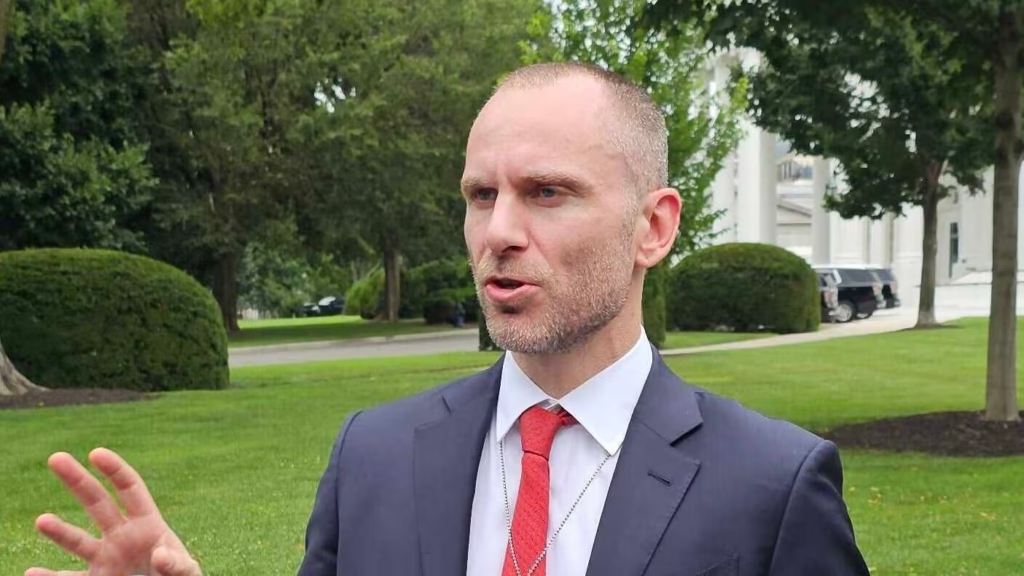
Tether CEO Paolo Ardoino and the Latest Developments Surrounding Tether’s Stakeholder Changes
Tether, a leading player in the cryptocurrency space known for its stablecoin, has been making headlines recently due to significant shifts within its leadership and stakeholder structure. According to Bloomberg, Richard Heathcote, Tether’s former chief investment officer, is looking to sell a portion of his 1.26% stake in the company. This news marks a notable change in Tether’s internal dynamics and raises questions about the future of one of the most influential entities in the cryptocurrency market.
Richard Heathcote, who played a pivotal role as Tether’s chief investment officer, has engaged the services of advisory firm PJT Partners to facilitate the sale of his shares in the San Salvador-based company. While the exact valuation of Heathcote’s stake remains undisclosed, the move signals a potential shift in the composition of Tether’s ownership, which could have broader implications for the company and its operations.
Tether is primarily known for its USDT stablecoin, which is pegged to the U.S. dollar and has become a cornerstone of digital trading, providing liquidity and stability in the often volatile cryptocurrency market. As one of the most widely used stablecoins, Tether has managed to maintain its prominence amidst regulatory scrutiny and evolving market dynamics.
Paolo Ardoino, the CEO of Tether, has been instrumental in navigating the company through these challenges. Under his leadership, Tether has focused on transparency and compliance, efforts that are critical as the regulatory landscape for cryptocurrencies continues to evolve. Ardoino has often emphasized the importance of building trust with users and regulators alike, ensuring that Tether remains a reliable option for those seeking stability in the crypto space.
Heathcote’s decision to sell part of his stake raises questions about the motivations behind such a move. Stake sales can occur for various reasons, including personal financial strategies, shifts in investment focus, or a response to market conditions. Regardless of the reasoning, this development could influence investor sentiment and potentially impact Tether’s market position.
As Tether continues to grow and expand its services, changes in its ownership structure could be closely watched by stakeholders and users alike. The removal or addition of key personnel can often affect the strategic direction of a company, and Tether’s ability to adapt to these changes will be crucial in maintaining its competitive edge.
In conclusion, Richard Heathcote’s decision to sell part of his stake in Tether, with the assistance of PJT Partners, marks a significant moment in the company’s evolution. With Paolo Ardoino at the helm, Tether aims to reinforce its commitment to transparency and stability in the ever-changing cryptocurrency landscape. Observers will be keenly watching how these developments unfold and what they mean for the future of Tether and its role in the broader digital economy.